
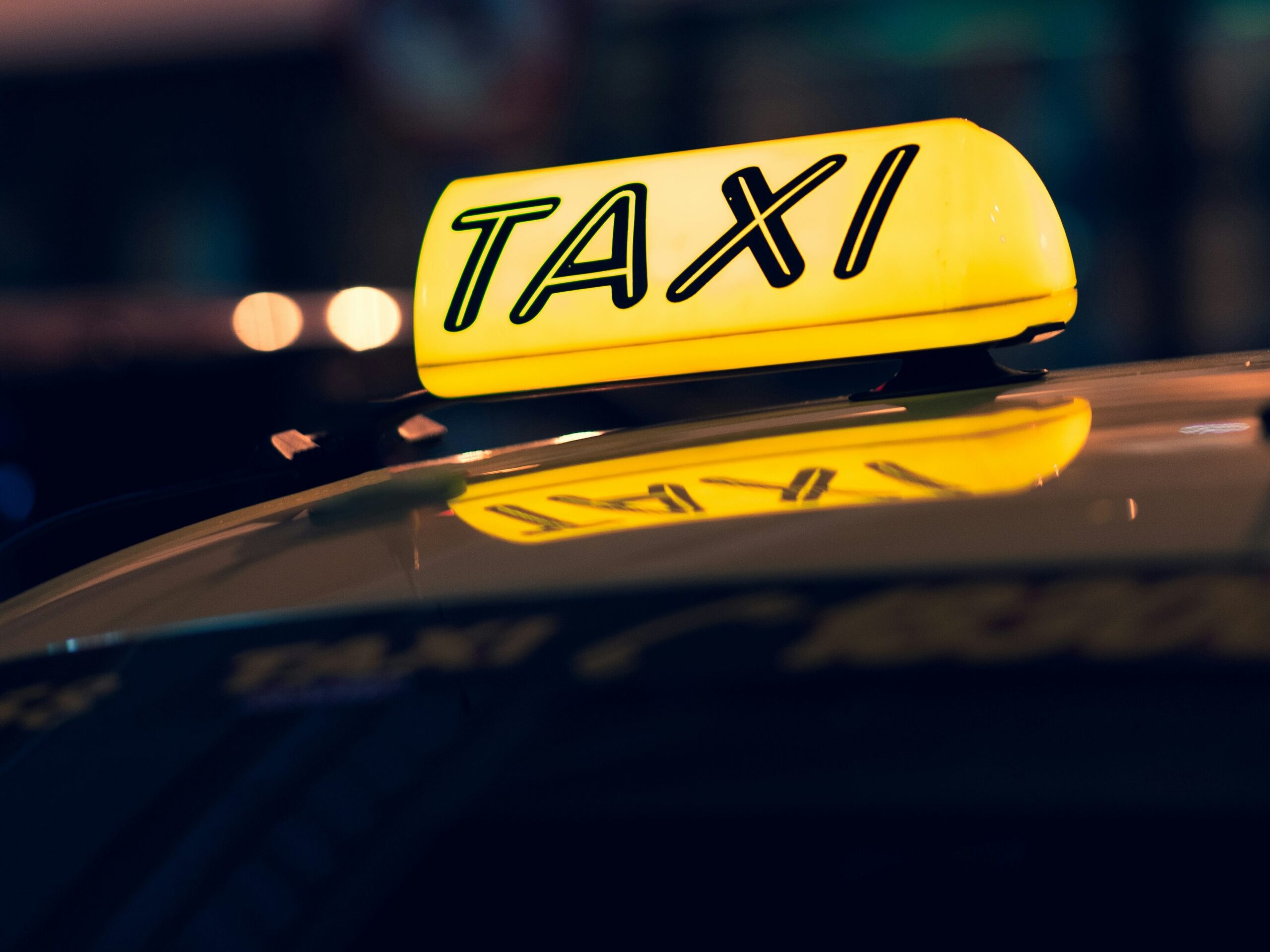
Driverless taxis—also known as robotaxis—are no longer just a futuristic idea. In 2026, they’ve officially arrived in Orlando, marking a major shift in how people get around Central Florida. From tourists heading to theme parks to locals commuting across the city, autonomous ride-hailing is beginning to reshape transportation in a place already known for innovation and heavy traffic.
The Arrival of Driverless Taxis in Orlando
In February 2026, autonomous vehicle company Waymo officially launched its driverless taxi service in Orlando. This rollout came after months of testing and planning with city officials, making Orlando one of the latest major U.S. cities to embrace fully autonomous transportation.
This wasn’t just a small pilot program—it marked the beginning of real passenger service. Residents and select riders can now request rides through an app, just like Uber or Lyft, except there is no human driver behind the wheel.
The launch is part of a broader expansion strategy. Orlando joins cities like Phoenix, San Francisco, and Miami in adopting this technology, signaling that driverless taxis are quickly moving into the mainstream.
Where Driverless Taxis Operate in Orlando
Right now, the service is rolling out gradually. Driverless taxis operate across roughly 60 square miles of the Orlando area, covering key locations such as:
- Areas north of downtown Orlando
- Tourist corridors near major attractions
- Routes stretching toward Walt Disney World
However, there are still limitations. For example:
- No service on major highways like I-4
- Limited or no access to Orlando International Airport (for now)
This phased rollout is intentional. Companies like Waymo are prioritizing safety and reliability before expanding to more complex driving environments.
How Driverless Taxis Work
Driverless taxis rely on a combination of advanced technologies to safely navigate roads without human input. These vehicles use:
- LiDAR (laser-based mapping)
- Radar systems
- High-resolution cameras
- Artificial intelligence software
Together, these systems create a 360-degree view of the vehicle’s surroundings, allowing it to detect pedestrians, traffic signals, and other vehicles in real time.
The AI system—often referred to as the “driver”—processes this data instantly and makes decisions like braking, turning, and merging into traffic. Over time, these systems learn from millions of miles of driving data, improving their performance and safety.
Why Orlando Is a Key Market
Orlando is actually one of the most strategic places in the U.S. for driverless taxis, and there are several reasons why:
1. Tourism Hub
Orlando attracts millions of visitors every year. Many of them rely on transportation to get between:
- Hotels
- Theme parks
- Restaurants
- Shopping centers
Driverless taxis offer a convenient, on-demand option that doesn’t require renting a car or navigating unfamiliar roads.
2. High Traffic Demand
Traffic congestion—especially near attractions like Walt Disney World and Universal Studios—creates a strong need for efficient transportation alternatives. Autonomous taxis can help reduce congestion by optimizing routes and driving behavior.
3. Flat Terrain and Predictable Roads
Compared to cities with hills, snow, or complex layouts, Orlando’s relatively flat terrain and grid-like roads make it easier to deploy and test autonomous systems.
4. Tech-Friendly Growth
Florida has been supportive of autonomous vehicle testing and deployment, making it easier for companies to launch services quickly compared to more heavily regulated states.
Benefits of Driverless Taxis
As this technology expands in Orlando, it brings several potential advantages:
Convenience
You can request a ride anytime without worrying about driver availability. The app handles everything—from pickup to payment.
Safety Potential
Autonomous vehicles are designed to eliminate human error, which is responsible for the majority of traffic accidents. While still under evaluation, companies claim their systems are improving safety outcomes over time.
Consistency
Driverless taxis follow traffic laws precisely. No distracted driving, no speeding, and no unpredictable behavior.
Accessibility
For people who cannot drive—such as the elderly or visually impaired—robotaxis could provide new levels of independence.
Environmental Impact
Most robotaxi fleets are electric, which can help reduce emissions and support sustainability goals.
Challenges and Concerns
Despite the excitement, driverless taxis are not without controversy and challenges.
Safety Questions
While companies report strong safety records, there have been incidents in other cities that have raised concerns and led to federal investigations.
Public Trust
Many people are still uneasy about riding in a car with no driver. Building trust will take time, especially in a busy, tourist-heavy city like Orlando.
Limited Coverage
Right now, service areas are restricted. Until highways and airports are included, driverless taxis won’t fully replace traditional ride options.
Regulation
Autonomous vehicles operate in a complex legal environment. Local and federal regulations will continue to shape how quickly these services expand.
What’s Coming Next
The launch in Orlando is just the beginning. Over the next few years, several major developments are expected:
Expanded Service Areas
Companies plan to gradually increase coverage, potentially including:
- Orlando International Airport
- Major highways
- Surrounding cities like Kissimmee and Lake Buena Vista
More Vehicles on the Road
Initial fleets are relatively small, but companies aim to scale up to hundreds of vehicles per city.
Competition
Waymo isn’t the only player. Other companies are preparing to enter the robotaxi market, including:
- Amazon-owned Zoox expanding into cities like Miami
- Uber partnering with Rivian to deploy thousands of robotaxis starting in 2028
This competition could lead to lower prices, better service, and faster innovation.
Integration with Existing Apps
In some cities, driverless taxis are already being integrated into platforms like Uber. This could eventually happen in Orlando, making autonomous rides even more accessible.
The Future of Getting Around Orlando
Driverless taxis are part of a broader transformation in transportation. Just like the shift from traditional taxis to ride-sharing apps changed how people travel, autonomous vehicles represent the next major leap.
In a city like Orlando—where convenience, tourism, and mobility are critical—this technology has the potential to reshape daily life. Imagine landing at the airport, stepping into a car with no driver, and being smoothly transported to your hotel, theme park, or home without ever touching a steering wheel.
While there are still hurdles to overcome, one thing is clear: driverless taxis are no longer a concept of the future—they are already here, and Orlando is now one of the cities leading the way.